
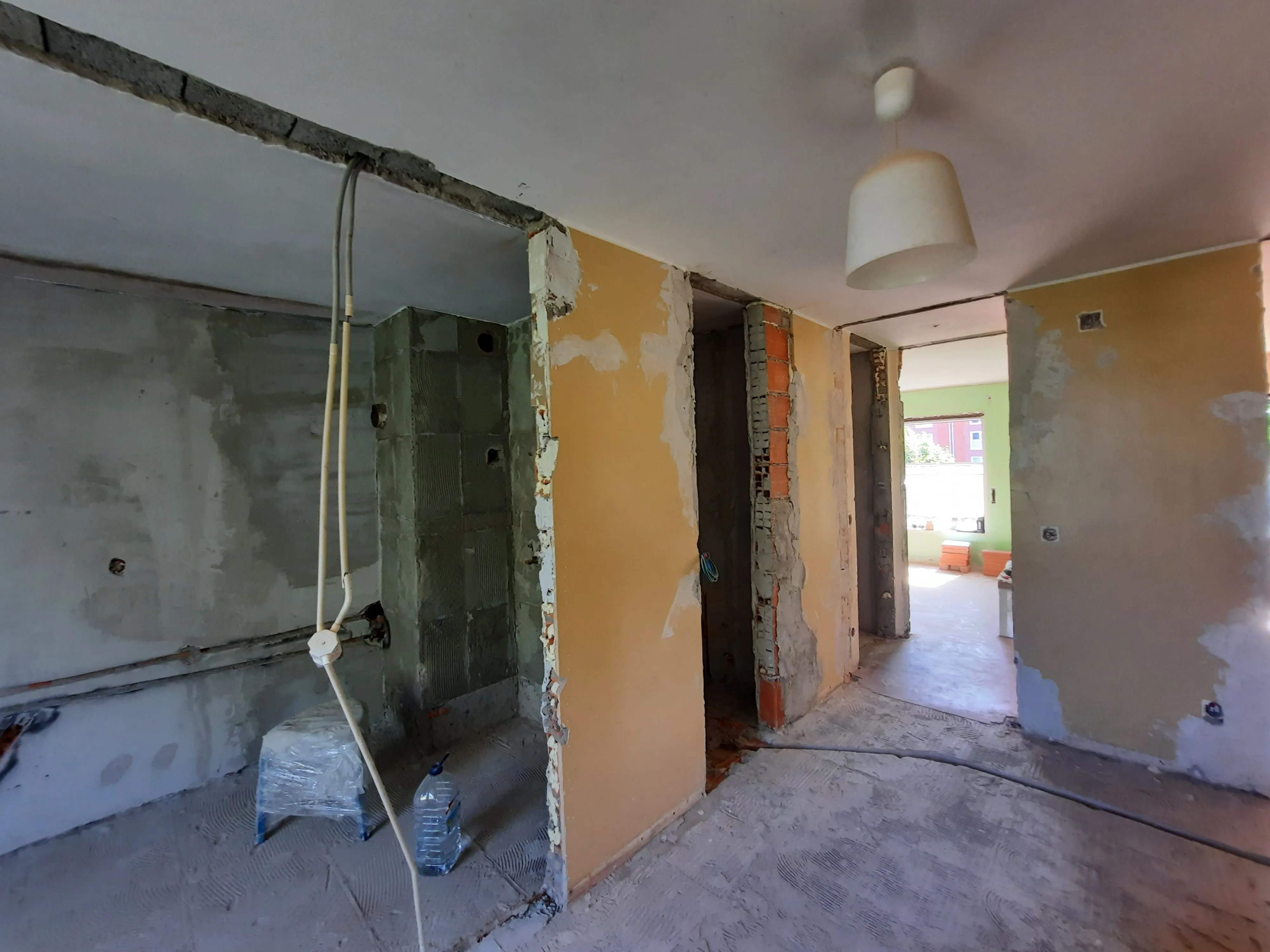
All walls and partitions in Portugal can be of two types: 1. Made of plasterboard. 2. Made of hollow brick.

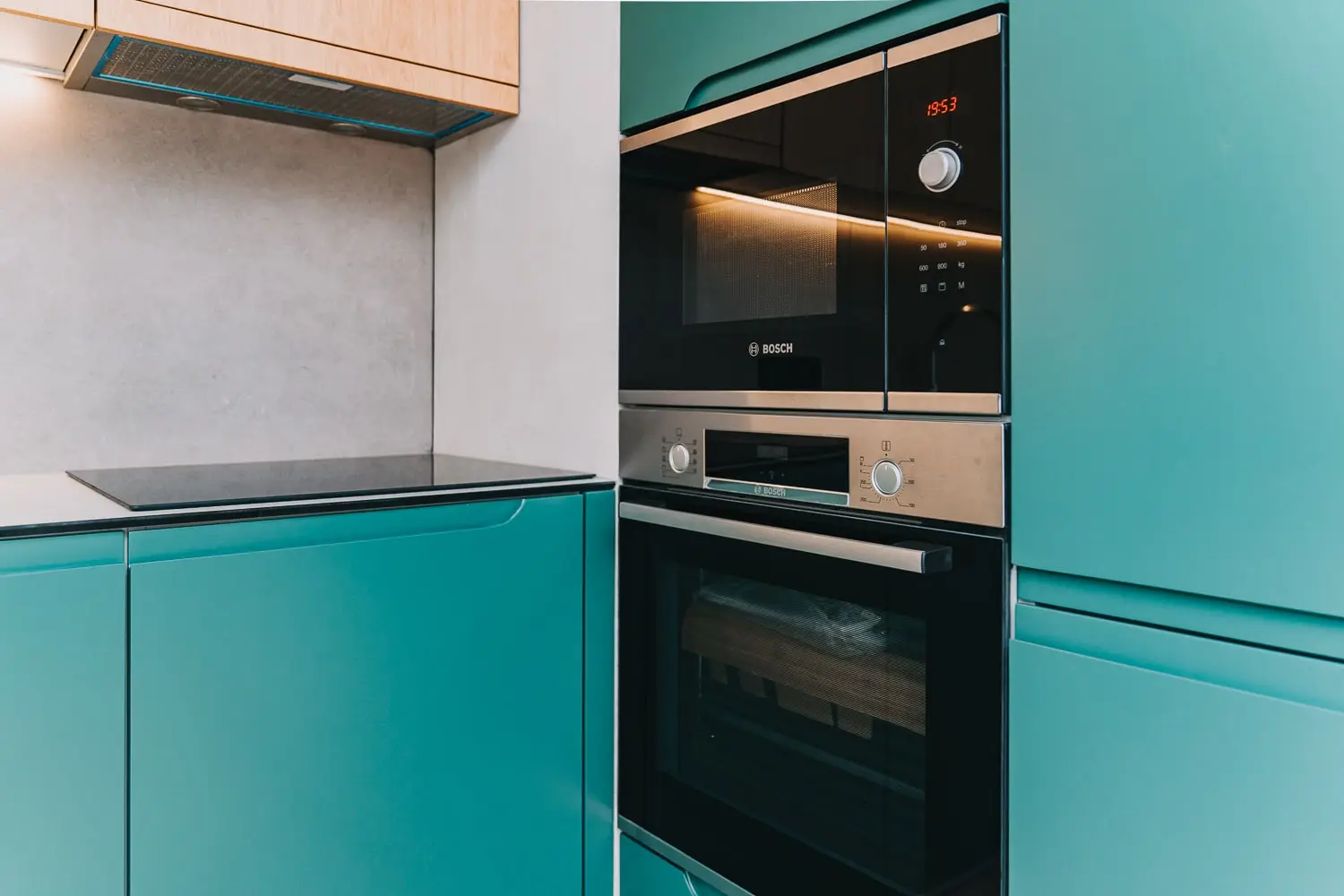
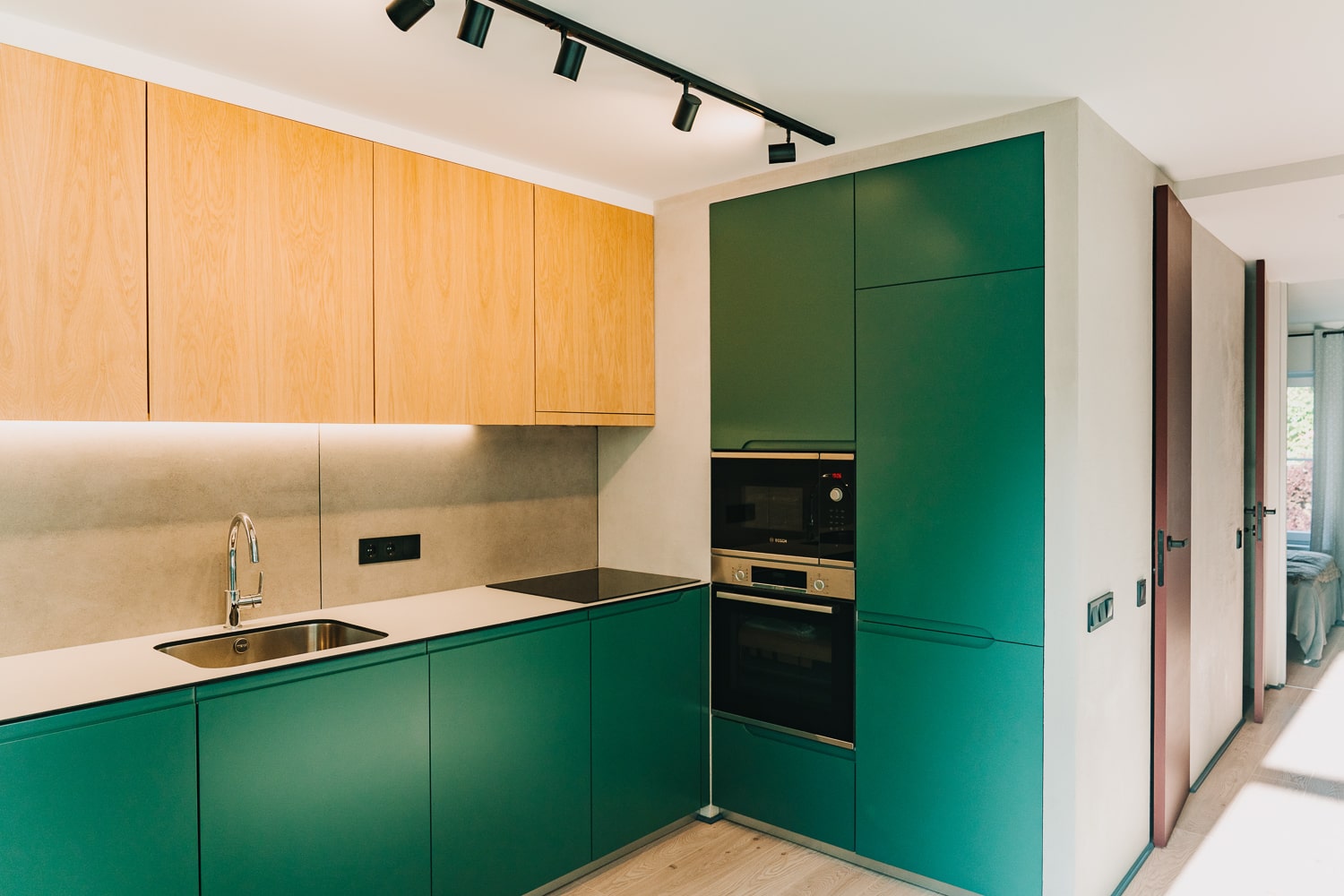
After finishing renovations in an apartment or house, the question of installing a built-in kitchen and cabinets always inevitably arises.
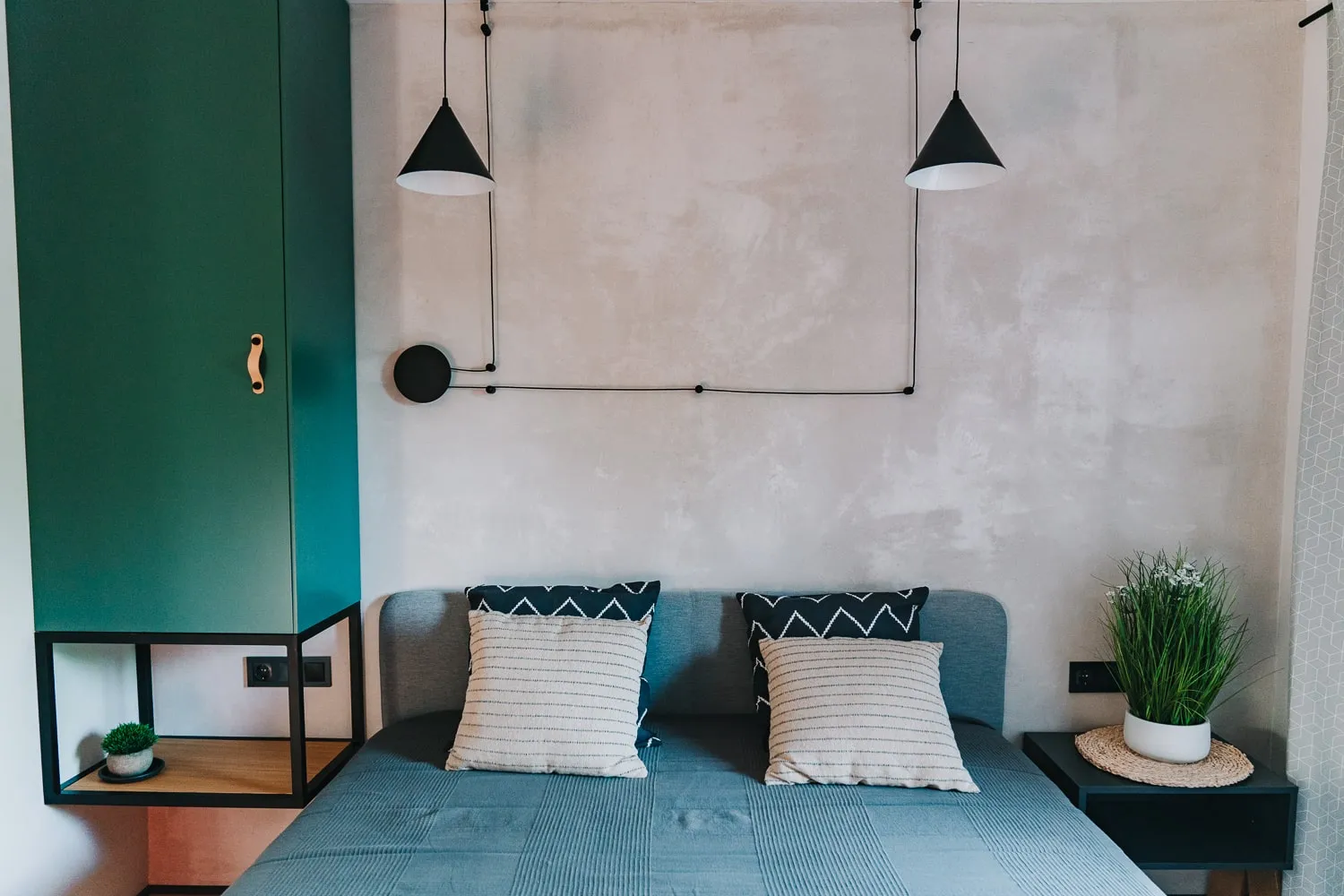
We often hear from our customers that they want to see smooth painted walls. But how can you make a wall smooth? Is it enough to just putty it or is it necessary to plaster it? Let's try to figure it out.
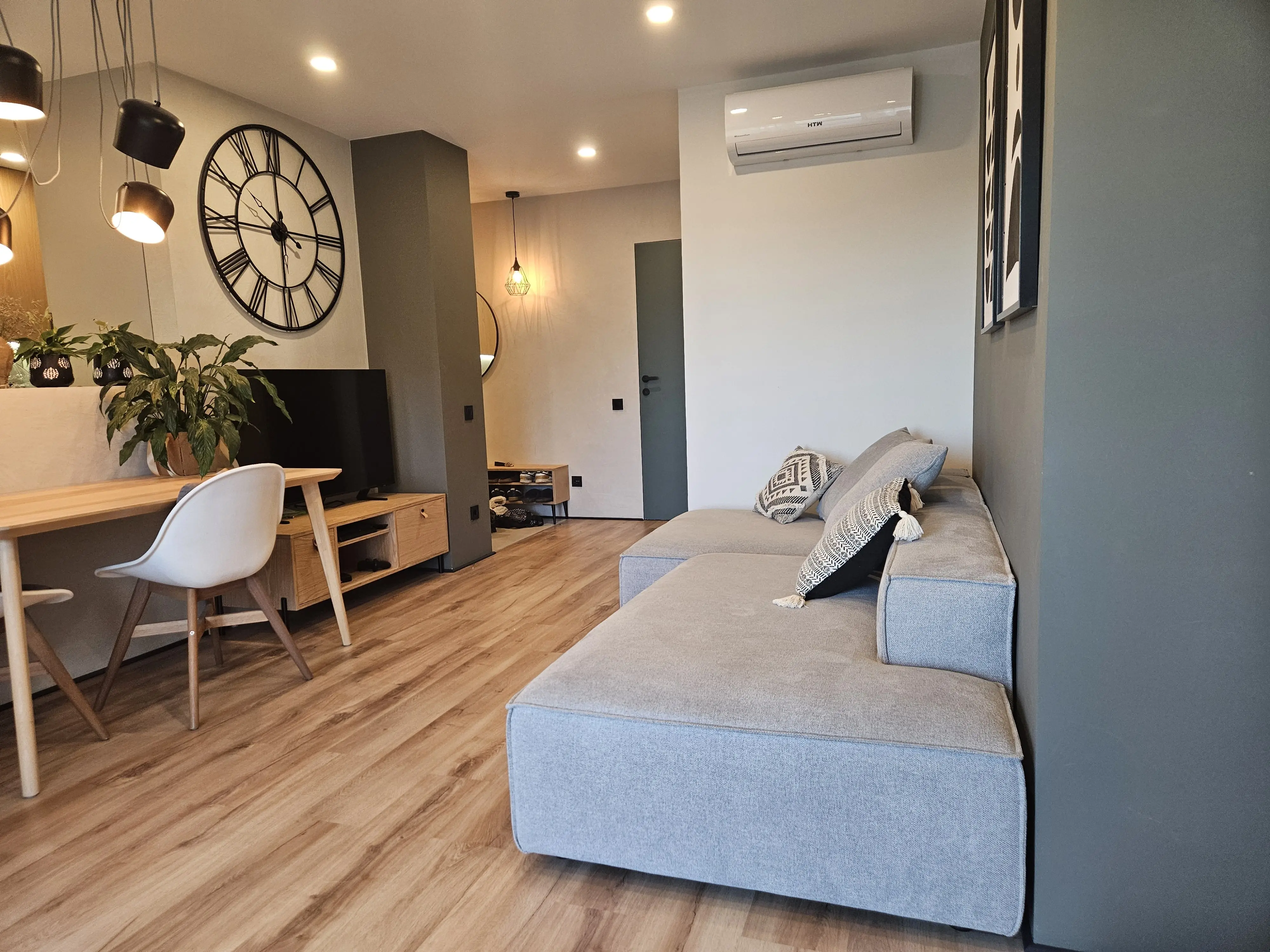
Until recently, it was believed in Portugal that it was possible to live in houses without heating and without external insulation of buildings. This is true. The climate allows it. But it is much more comfortable to live in houses where there is both external insulation and heating.
The first and most important feature of electrical wiring in Portugal and in particular in Porto is that all cables are laid in a corrugated pipe. Often, at the construction stage, the corrugated pipe is first laid in those places where switches, sockets and electrical panels should be installed, and then the required number of wires are inserted into these corrugated pipes. Moreover, the wires are always copper. Aluminum wires are not used.
One of the most common options for finishing ceilings is installing plasterboard with subsequent finishing and painting. This option allows you to level the ceilings and bring them to an ideal condition with the least amount of time, as in the case of plastering the ceiling, since the drying of thin layers of putty takes less time than the drying of thick layers of plaster, which then still needs to be puttied.
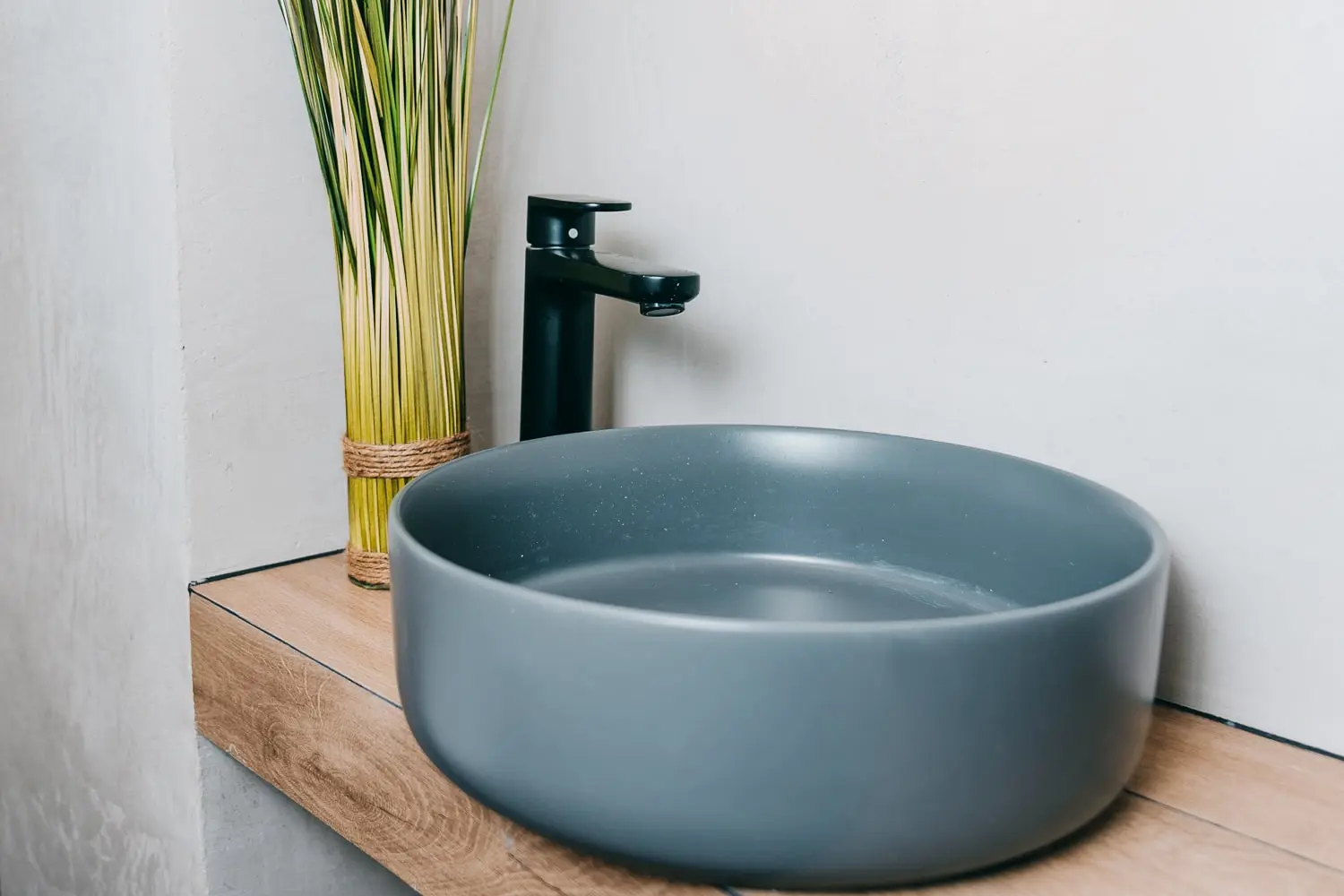
During apartment renovations in Portugal, there is often a need to replace, remodel or completely renovate plumbing equipment, as well as plumbing pipes hidden in the walls.
Recently, invisible doors (doors without casing) can be seen more and more often in design projects. As for Portugal, this is not quite relevant here. In addition, there is a very limited number of companies ready to supply such doors. All this determines their high cost and, as a consequence, low demand. We have already written that many renovations in apartments and houses have an investment component and no one will overpay for doors.
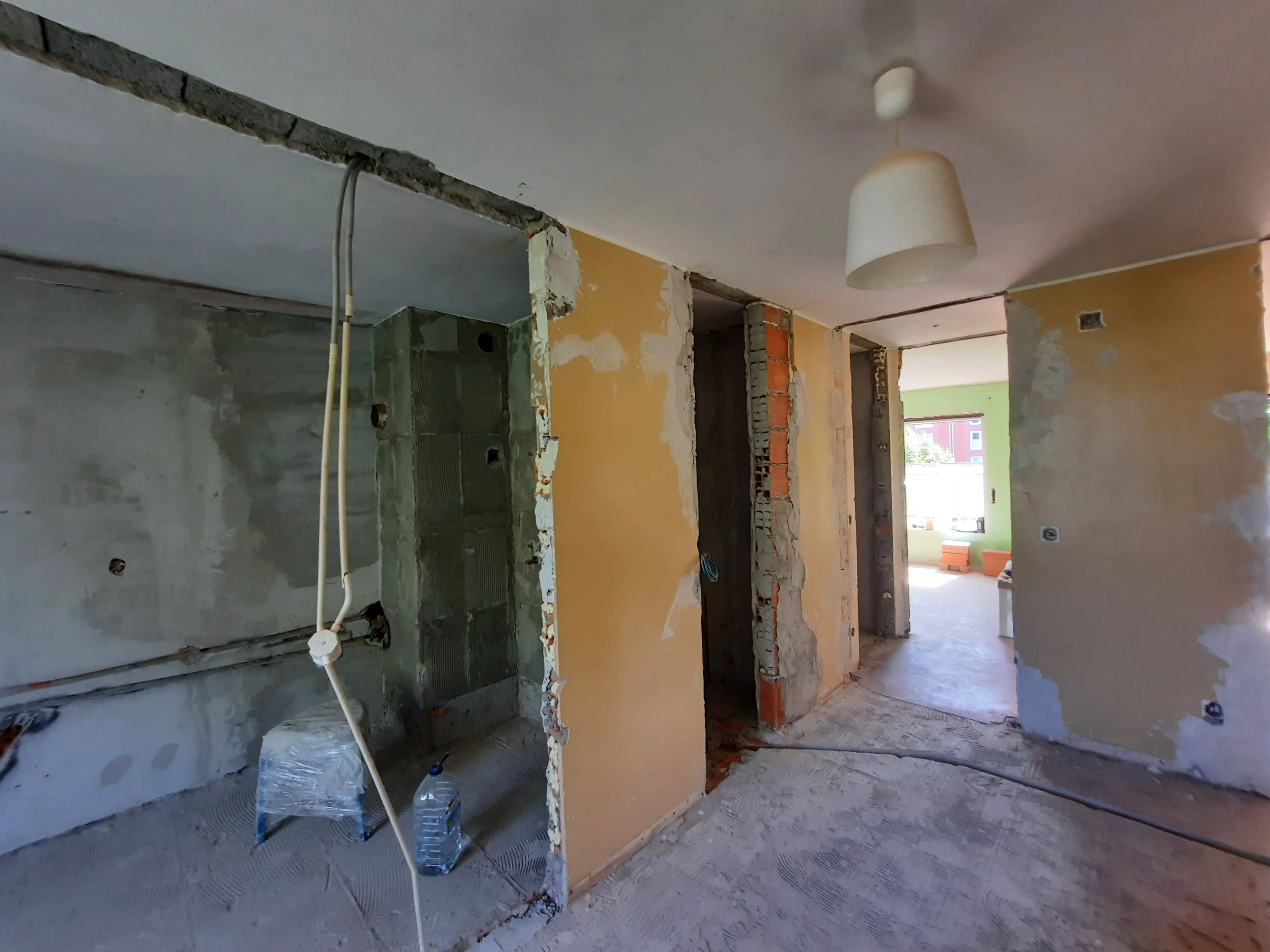
Most walls and partitions in Portugal are made of hollow brick. These partitions can be dismantled if necessary, since they are not load-bearing walls and are not capable of performing the function of load-bearing walls. It is important to understand that concrete walls cannot be broken down, since the situation is the opposite there. They just carry a load-bearing function. Also, ventilation shafts and sewer pipe areas cannot be dismantled. These places must remain intact.
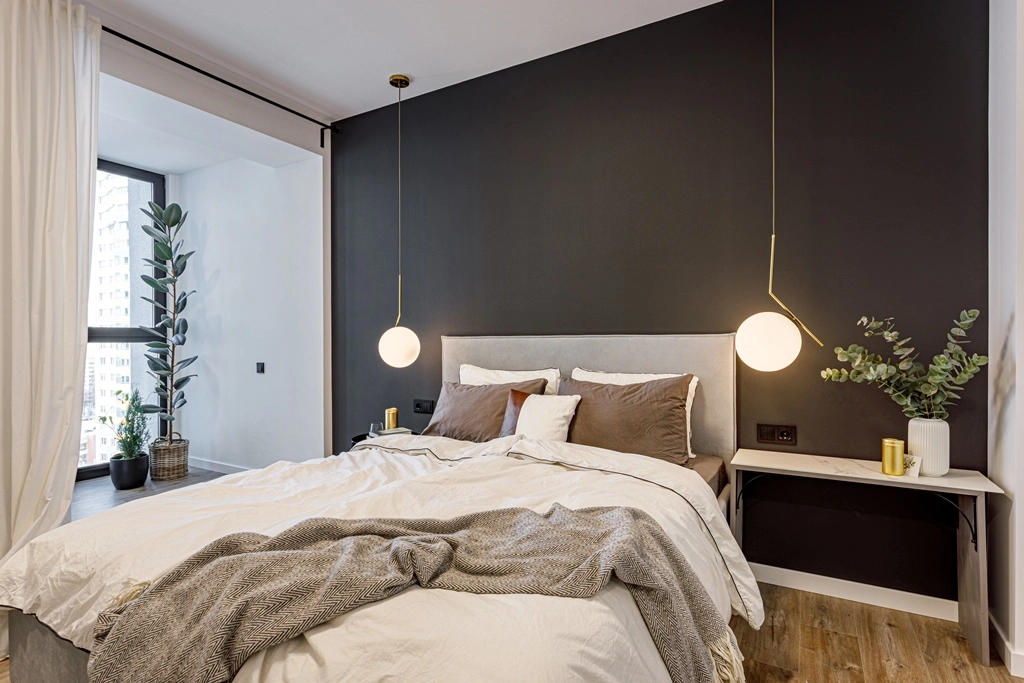
One of the most common types of finishing work during apartment renovation in Porto is painting (or repainting) walls and ceilings. It is also often necessary to paint doors, baseboards, cabinets, and window slopes, which are made of wood and mostly varnished.
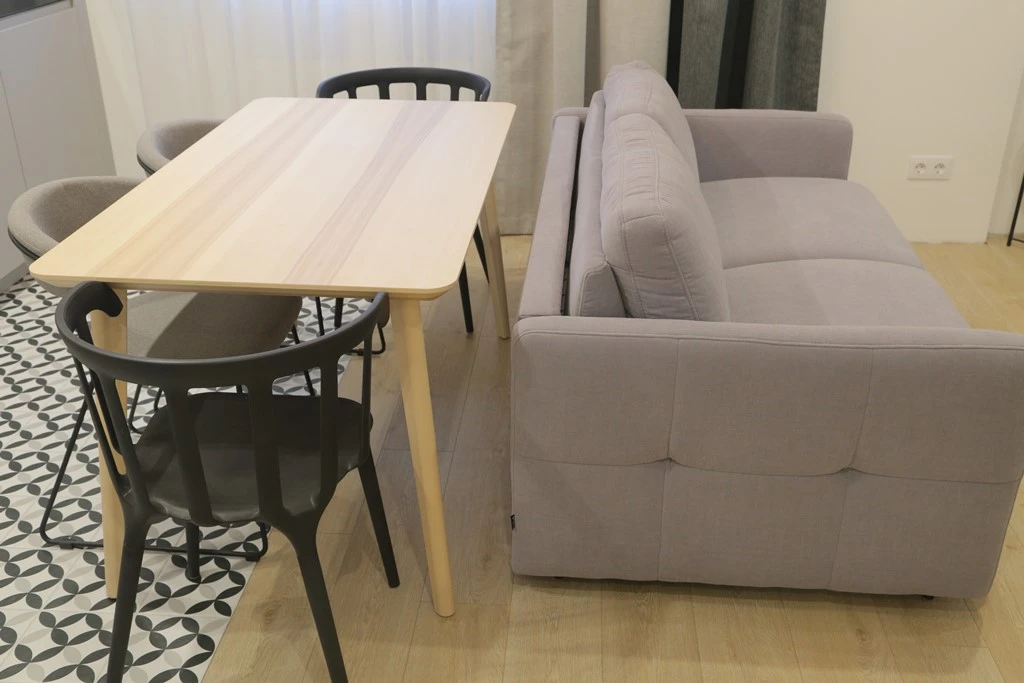
Modern renovations in Portugal and in particular in Porto allow making various types of floor coverings. So customers have access to: parquet, parquet board, laminate, linoleum, quartz vinyl (flutuante spc) and other types.
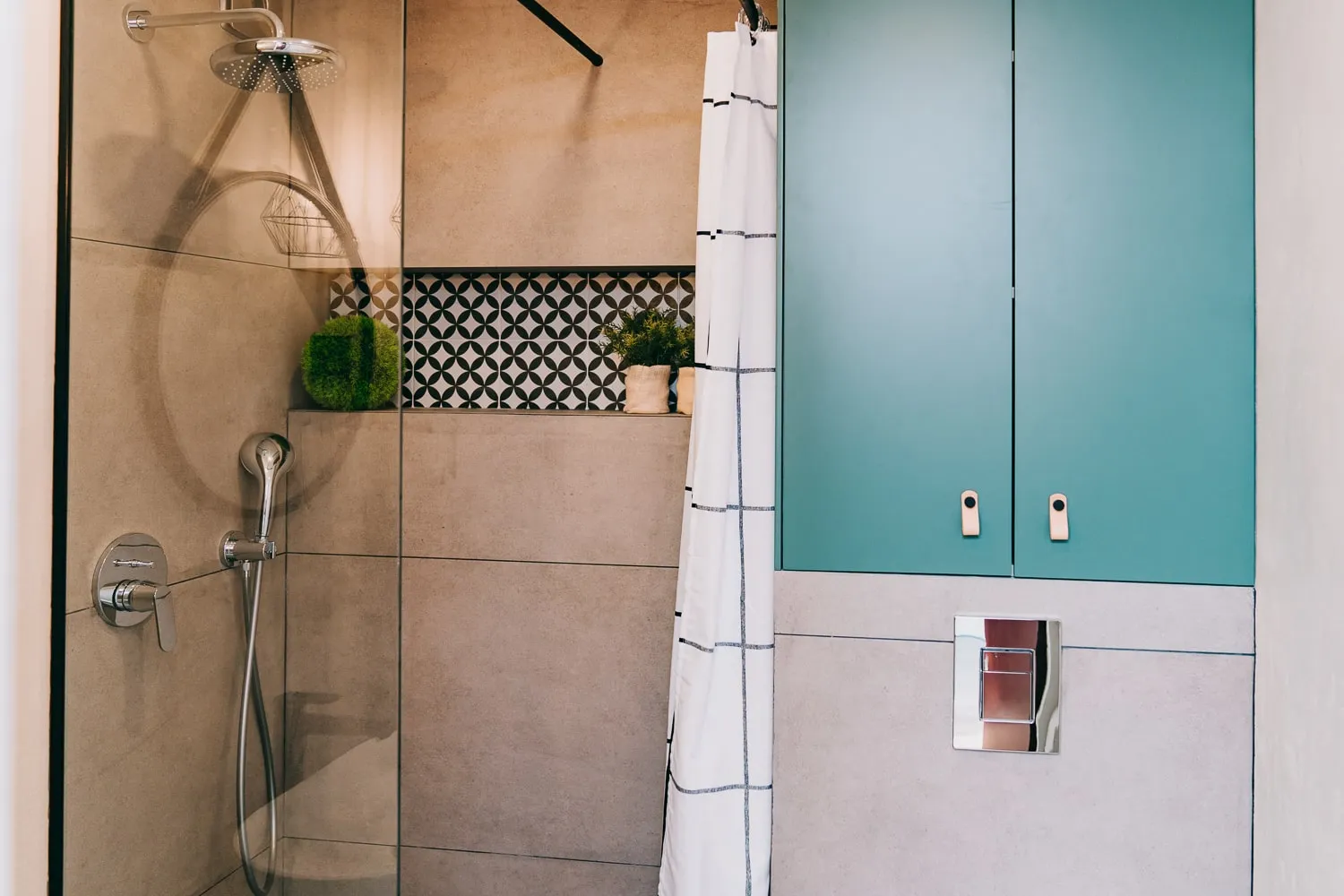
Tiling walls and floors in Portugal also has a number of features. Let's start from afar. So, most repairs in Portugal and especially in Porto are not made in new houses, as, for example, in the countries of the former post-Soviet space, where a lot of new housing is built, but in the secondary housing stock. In addition, this is often an investment renovation. That is, a very popular direction is the purchase of old dilapidated housing ("ruins") for repair with subsequent resale.
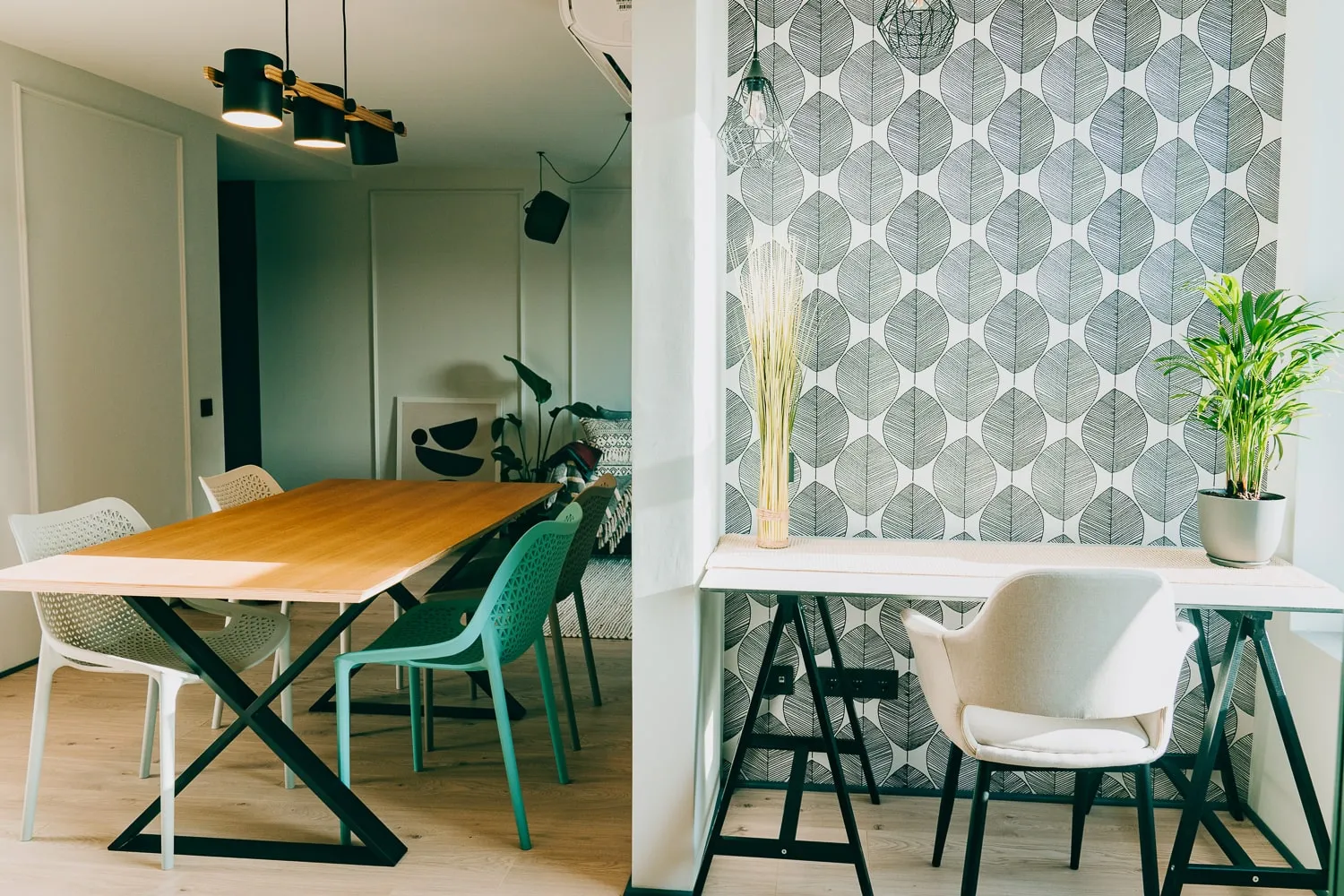
When we talk about apartment renovations in Porto or Vilanova de Gaia, the need to wallpaper often arises. Of course, most apartments still have painted walls, which is much more convenient for maintenance and subsequent cosmetic repairs. But when you want something sophisticated or unusual, then wallpaper is just the tool that can add zest to your interior

